
Gannan Zhagana Plateau Traverse
A classic highland trek centered on the Zhagana to Zhuoni Triangle Rock traverse, linking canyons, herders’ paths, stone forests, alpine meadows, and Tibetan cultural stops.
Schedule
Feb 22, 2025
Activity type
Hike
Duration
Suggested 8 days, with 4 core trekking days
Place
Zhagana to Zhuoni, Gannan
Route
Approx. 70 km / passes around 4,000 m
Route Overview
Gannan sits in southwestern Gansu at the meeting point of Gansu, Qinghai, and Sichuan, where plateau landscapes and Tibetan culture overlap in a striking way. Wide grasslands, snow peaks, monasteries, and long-distance routes make it one of northwestern China’s most distinctive trekking regions.
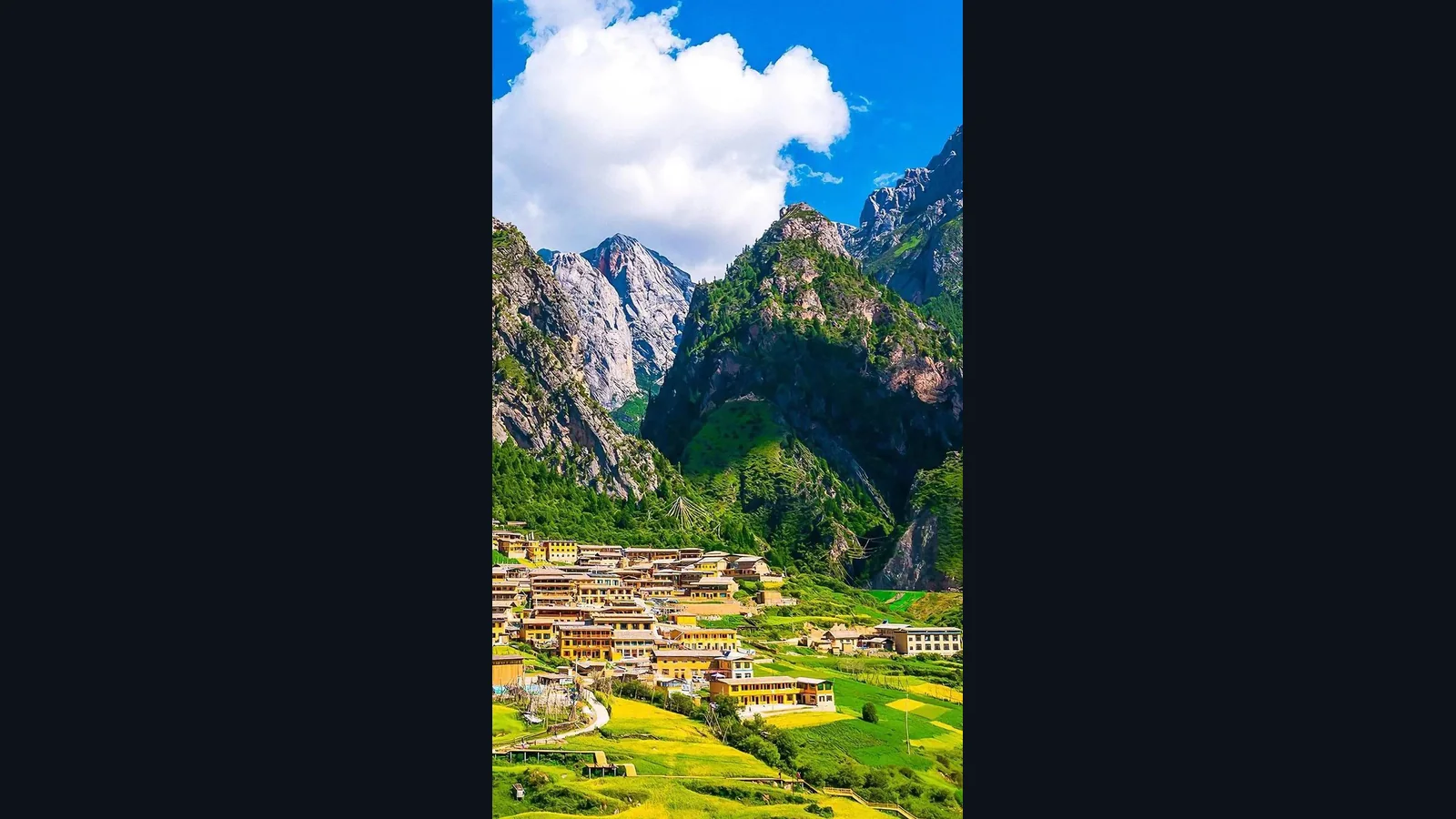
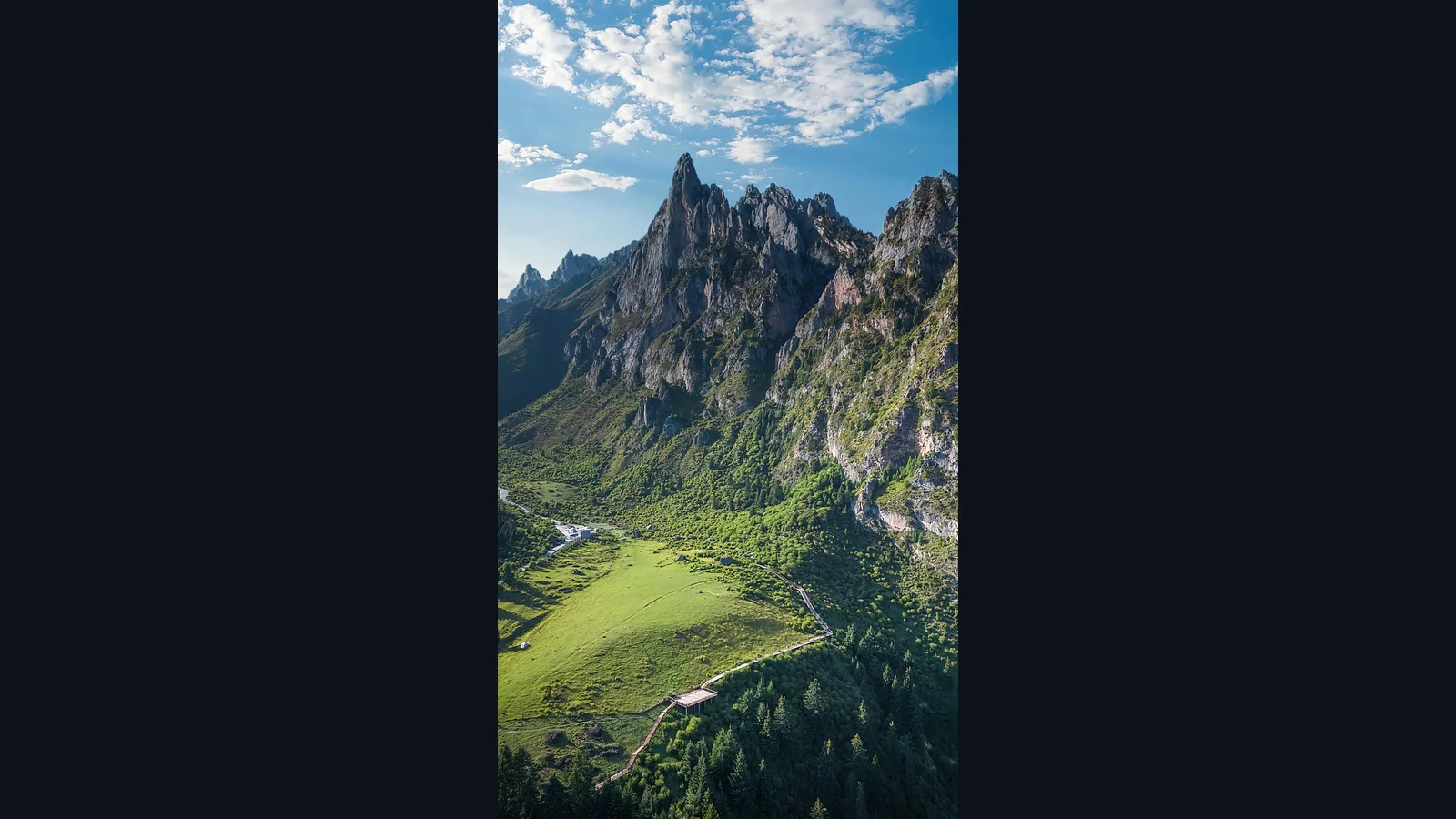
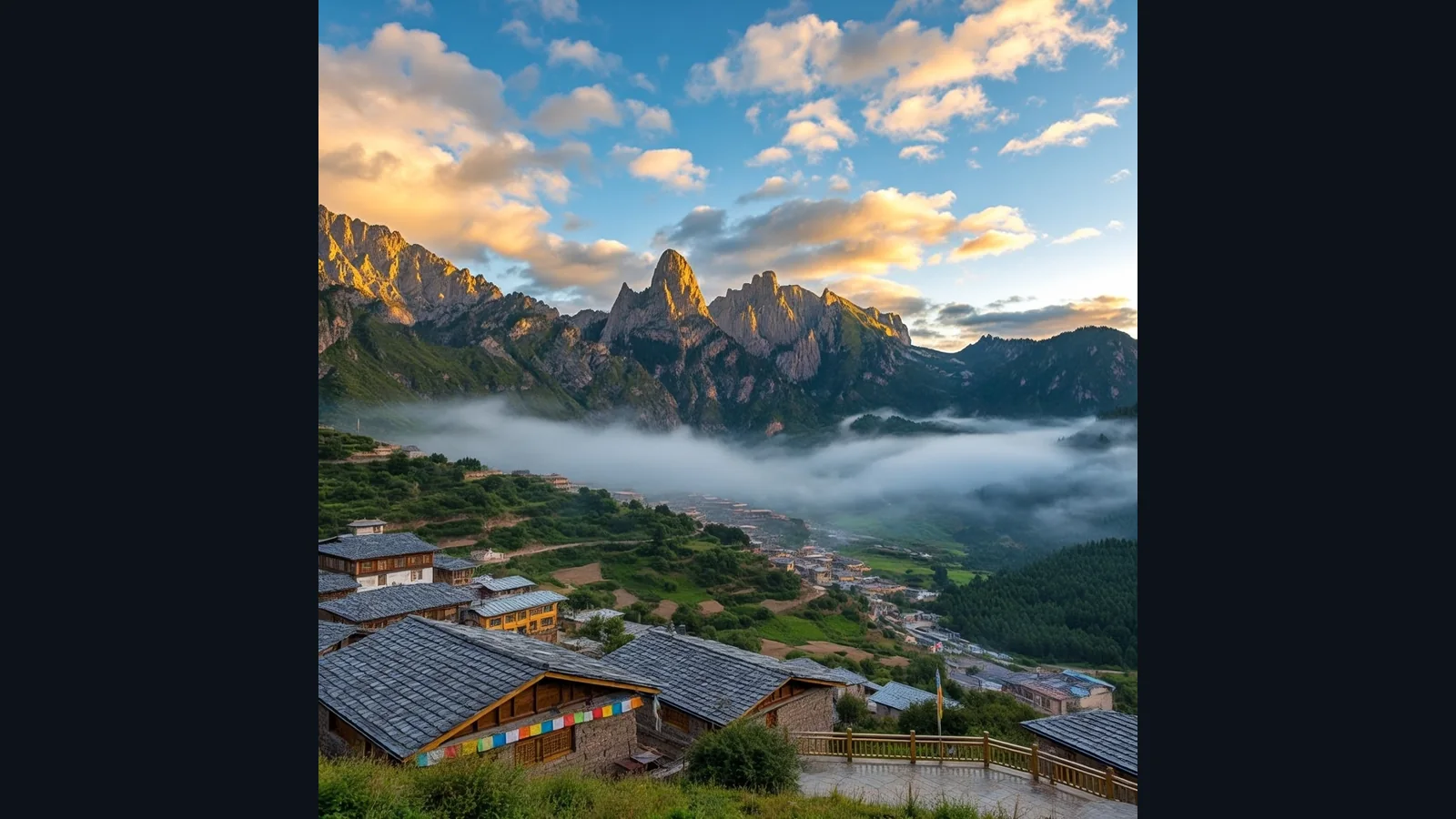
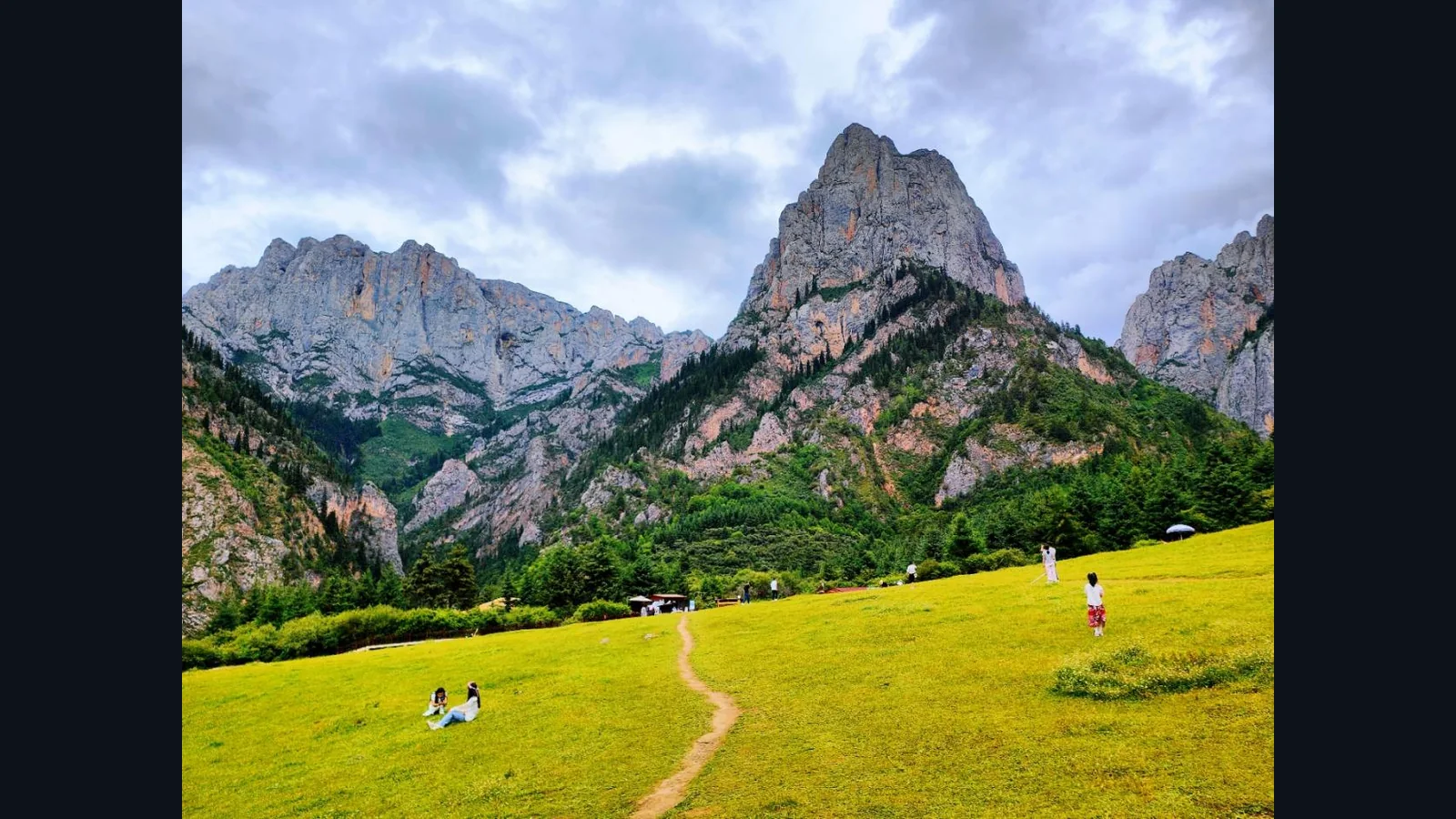
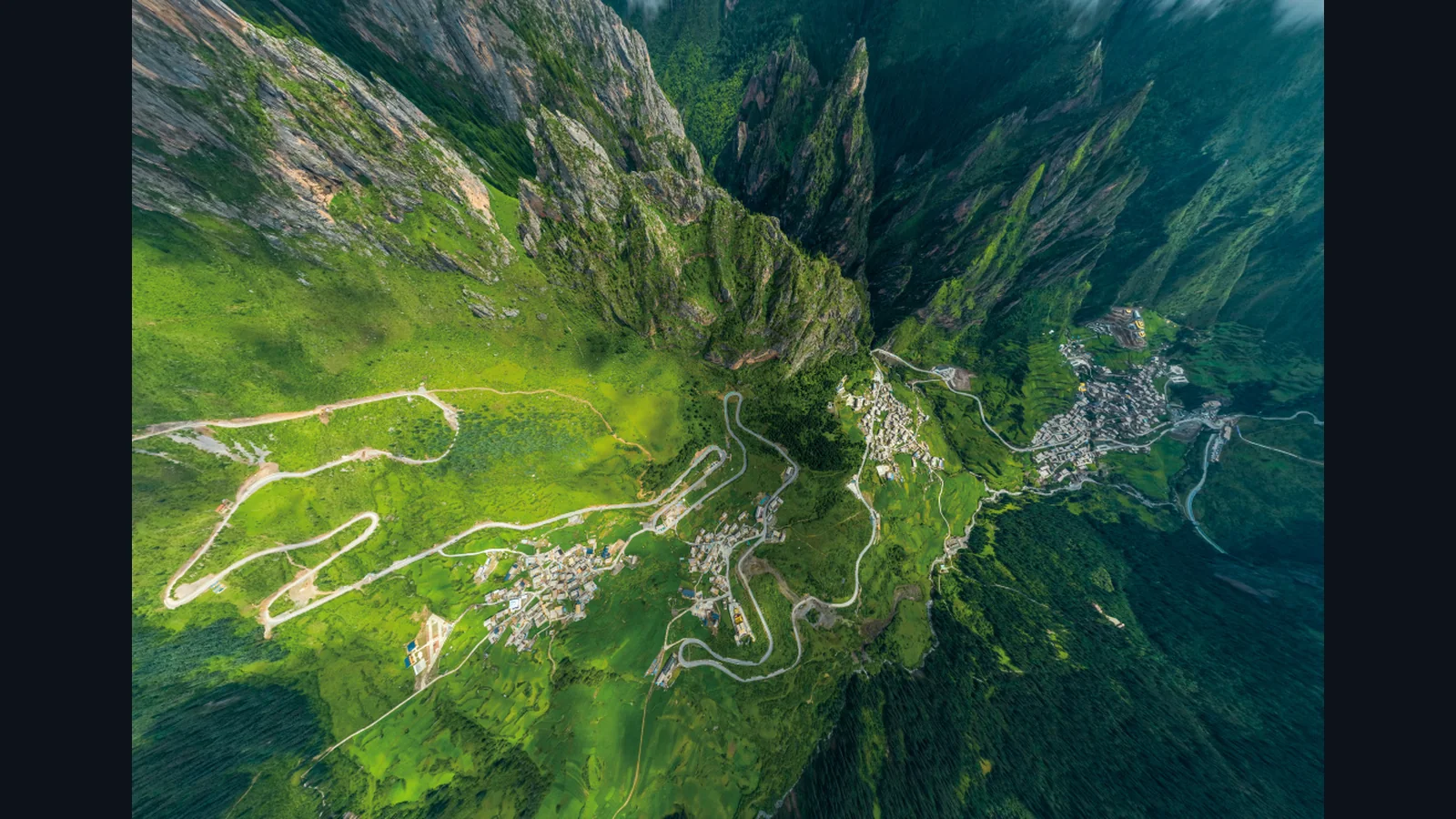
Zhagana, which means “stone box” in Tibetan, lies on the southern slopes of Guanggai Mountain in Diebu County. This itinerary is centered on the classic traverse from Zhagana to Zhuoni Triangle Rock, linking canyons, grazing trails, stone forests, Danxia landforms, alpine meadows, and a series of high passes.
Route Highlights
- A classic Zhagana–Triangle Rock traverse with raw terrain and strong landscape variation.
- Multiple passes above 3,500 m, offering the openness and challenge of a true plateau trek.
- Cultural touchpoints including Langmusi, Zhagana Village, and Labrang Monastery.
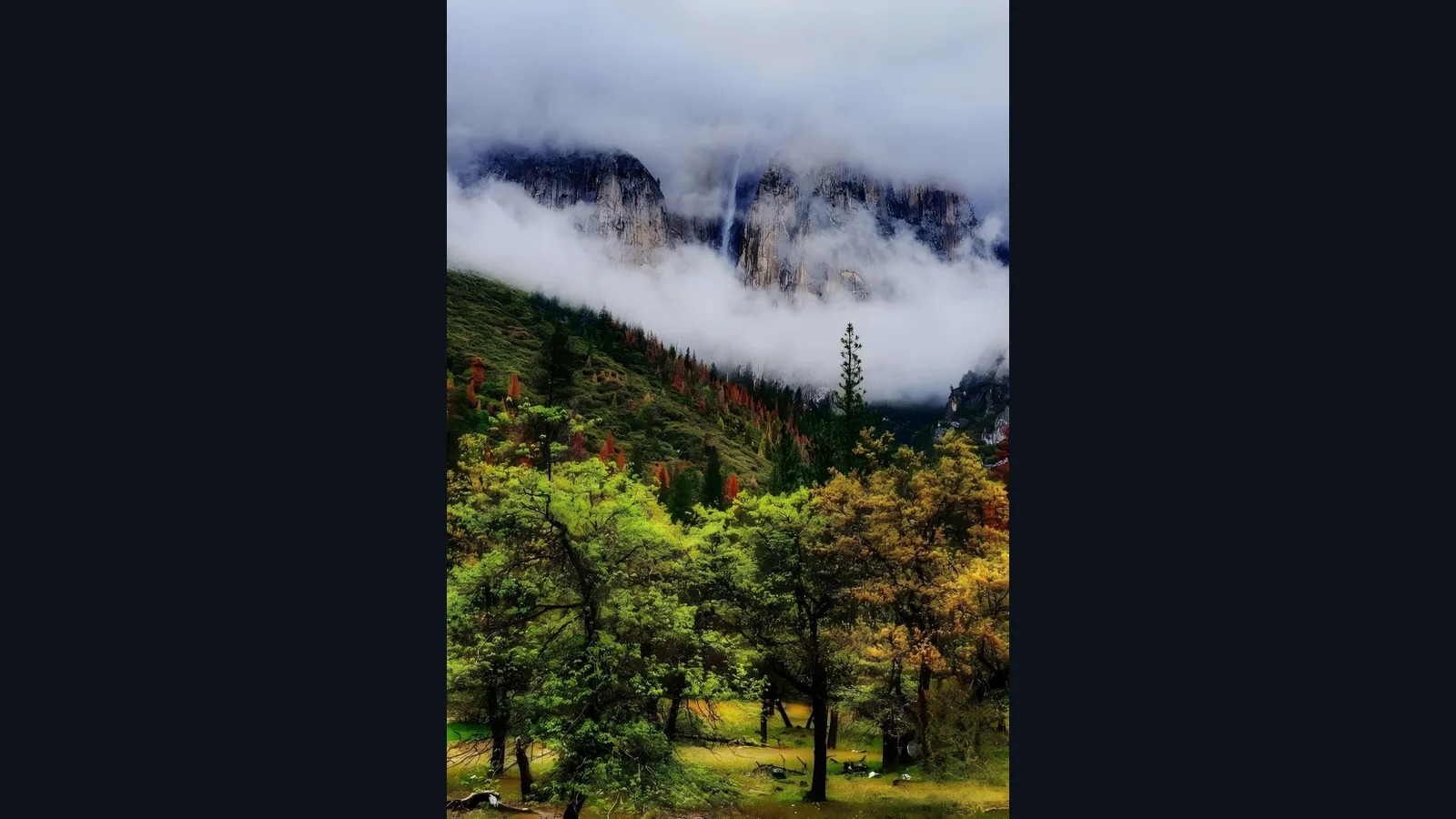
- Forests, grasslands, snow mountains, canyons, Danxia formations, and stone forests all appear along one route.
Schedule
Days 1–2: Lanzhou – Langmusi – Zhagana Village
The group gathers in Lanzhou and travels via Langmusi to Zhagana Village. These first two days focus on transfers, altitude adjustment, supply purchases, gear checks, and coordination with local guides and horse teams.
Day 3: Zhagana Village – Dongcai Camp
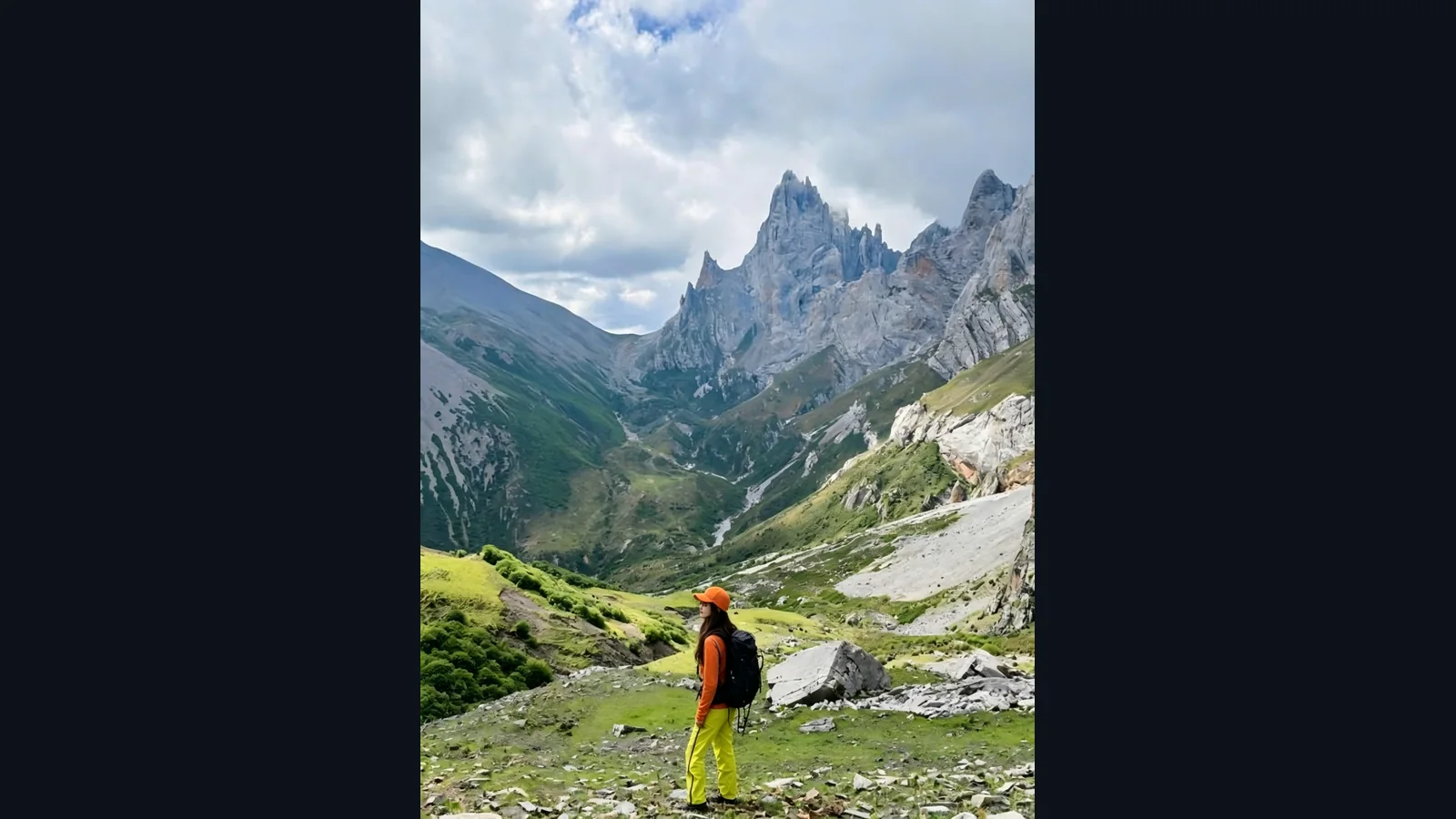
Hike about 21 km over roughly 9 hours to a camp at around 3,640 m. The route leaves Zhagana Village and passes Najia Stone Gate, the Nigedawa Pass, and Marsongdu, moving through canyons, herders’ trails, stone forests, and alpine meadows.
Day 4: Dongcai Camp – Unnamed Camp
This is a long high-altitude traverse with camp set around 3,580 m. The day crosses several passes in succession and heads toward the Kalake Pass, the route’s high point at roughly 4,140 m, where pace control becomes critical.
Days 5–6: Unnamed Camp – Guanyinshi Camp – Triangle Rock – Zhuoni
The route passes Dabianshi, Naizishan, Anziku herders’ village, Guanyinshi Pass, and the One-Line Sky section before reaching Triangle Rock. After the core traverse is completed, the team transfers to Zhuoni for recovery according to vehicle logistics.
Days 7–8: Zhuoni – Hezuo – Xiahe – Lanzhou
Optional visits can include Milarepa Hall in Hezuo and Labrang Monastery in Xiahe. The team then returns to Lanzhou and either disperses together or arranges station transfers depending on departure times.
Accommodation & Supplies
- Accommodation combines hotels, guesthouses, and campsites. The core traverse requires a tent, sleeping pad, and a sleeping bag comfortable to around -10°C.
- Bring personal trail meals, energy food, hot water capacity, and common high-altitude medication. Camp meals follow the team support plan.
- Local guides and horse teams can be arranged depending on the trip setup. Horses are mainly used for shared gear or partial baggage transport.
- Supplies on route are limited, so gas canisters, food, and personal items should be stocked in Zhagana before departure.
Safety & Support
- Participants should already have high-altitude trekking experience and no history of serious cardiovascular, respiratory, or altitude-related illness.
- Essential gear includes a trekking pack, poles, knee support, dry bags, hiking boots, shell layers, insulation, a headlamp, and navigation or communication equipment.
- Loose scree, side-hill traverses, and high passes all carry elevated risk, so leader and guide instructions must be followed at all times.
- Professional outdoor leaders and local guides plan vehicle transfers, retreat options, backup camps, and emergency communication in advance.